In the UAE, women’s empowerment in the agricultural sector is built on two complementary tracks. The first is direct, targeting women through national policies, programs, and specialized initiatives, including agricultural sustainability initiatives. The second is structural, strengthening the sector as a whole through food security strategies, support for local production, access to financing, and connecting agricultural products with markets.
This parallel approach has helped create a supportive environment that embodies the vision of the late founding father, Sheikh Zayed bin Sultan Al Nahyan, may his soul rest in peace, who believed in building civilization through agriculture—a vision that was ahead of its time. It also reflects the continued support of Her Highness Sheikha Fatima bint Mubarak, the “Mother of the Nation,” for empowering women and integrating them into this vital and economically significant sector.
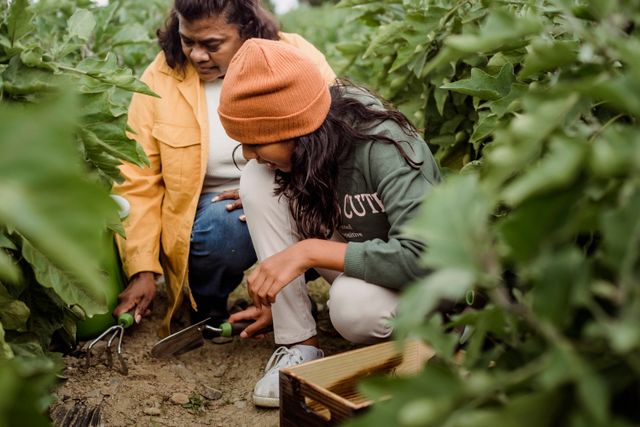
Technological advancement has now made it easier than ever for women to enter a field that was once largely dependent on manual labor. New opportunities have emerged that are more sustainable and scalable, including hydroponics, greenhouse farming, value chains linked to diverse industries, post-harvest activities, organized home farming, and agritourism.
These areas not only align with the UAE’s commitment to resource efficiency, but also open new pathways for women to establish flexible and scalable ventures.
Emirati women have a deep historical connection to the land and agriculture. This heritage can be transformed into modern economic enterprises when supported by knowledge and technology. By turning this legacy into a contemporary model of production, we are building something that future generations will witness and carry forward.
The UAE has laid strong foundations for women’s empowerment across all sectors, and today, particularly in agriculture, women have the opportunity to become key players throughout the agricultural value chain—not merely as participants, but as leaders, innovators, and creators of sustainable economic impact.
That is why today I extend an invitation to every family and household: we must have a woman who leads in agriculture, learning, and production.